
Copyright © 2025 AppsMinder. All rights reserved.
Copyright © 2025 AppsMinder. All rights reserved.
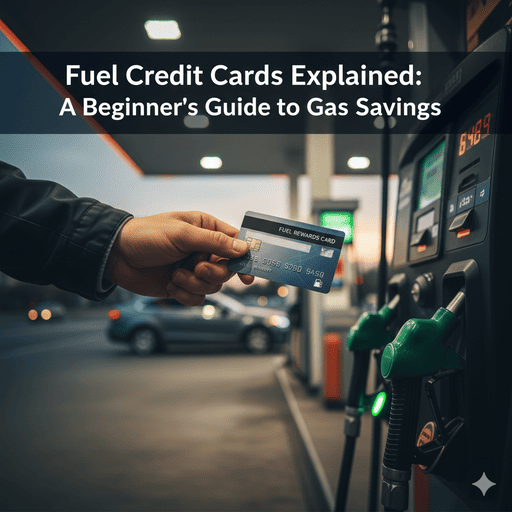
Gasoline is one of the most unavoidable household expenses. Whether you commute daily, run errands, or travel frequently, fuel costs can quietly consume a significant portion of your monthly budget. A fuel credit card offers a practical and beginner-friendly way to reduce that expense without changing how often you drive.
In this guide, we’ll break down what fuel credit cards are, how they work, the different types available, and the smart strategies you can use to turn everyday fill-ups into long-term savings.
A fuel credit card is a type of credit card that provides special rewards or discounts for purchases made at gas stations. Unlike general spending cards, these products are designed to maximize savings specifically on fuel.
For beginners, fuel credit cards generally fall into two main categories:
Both types can be effective, but they suit different driving habits and spending styles.
Fuel credit cards reduce your gas expenses in two primary ways, depending on the card type.
Co-branded gas cards often provide an instant discount at the pump. For example, a card may offer 5 to 10 cents off per gallon, applied automatically when you pay.
This approach is easy to understand and delivers immediate savings, which many beginners appreciate.
General rewards cards typically offer cash back ranging from 3% to 5% on gas purchases. Instead of reducing the pump price, the savings appear later as statement credits or redeemable rewards.
Over time, especially for drivers with high fuel spending, this percentage-based model can outperform fixed per-gallon discounts.
Choosing the right fuel credit card starts with understanding your own behavior at the pump.
If you are a brand-loyal driver—someone who consistently fills up at the same gas station because of location, trust, or pricing—a co-branded card can be an excellent fit. The rewards are predictable and effortless.
On the other hand, if you are a price-focused driver who uses apps or local knowledge to find the cheapest gas regardless of brand, a flexible general rewards card makes more sense. It ensures you earn rewards wherever you refuel.
There is no universally “best” choice—only the best match for your habits.
One of the most effective strategies for maximizing gas savings is reward stacking. This means combining multiple reward programs on a single fuel purchase.
For example:
By stacking these benefits, you can reduce the pump price first and then earn rewards on the remaining balance—essentially double-dipping on savings without any extra effort.
For beginners, this is the single most critical lesson to understand:
A fuel credit card only saves you money if you avoid interest.
Most fuel credit cards come with relatively high annual percentage rates (APRs). If you carry a balance from month to month, interest charges will quickly erase any rewards you earned—often costing you more than the gas savings themselves.
To use a fuel credit card as a true savings tool, you must:
Fuel credit cards are especially useful for:
If gas is a regular part of your monthly spending, a well-chosen fuel credit card can quietly generate meaningful savings over time.
Fuel credit cards offer beginners a straightforward way to save money on gas through either instant per-gallon discounts or flexible cash-back rewards. The right card depends on whether you value brand loyalty or the freedom to shop for the lowest price.
By stacking credit card rewards with free loyalty programs—and, most importantly, by paying your balance in full each month—you can transform an unavoidable expense into a consistent and reliable savings opportunity.
ALL RIGHTS RESERVED AppsMinder.com 2025